 Business License
From Gothic Fitted Garments to Digital Mannequins: The Millennium Evolution of Draping Models
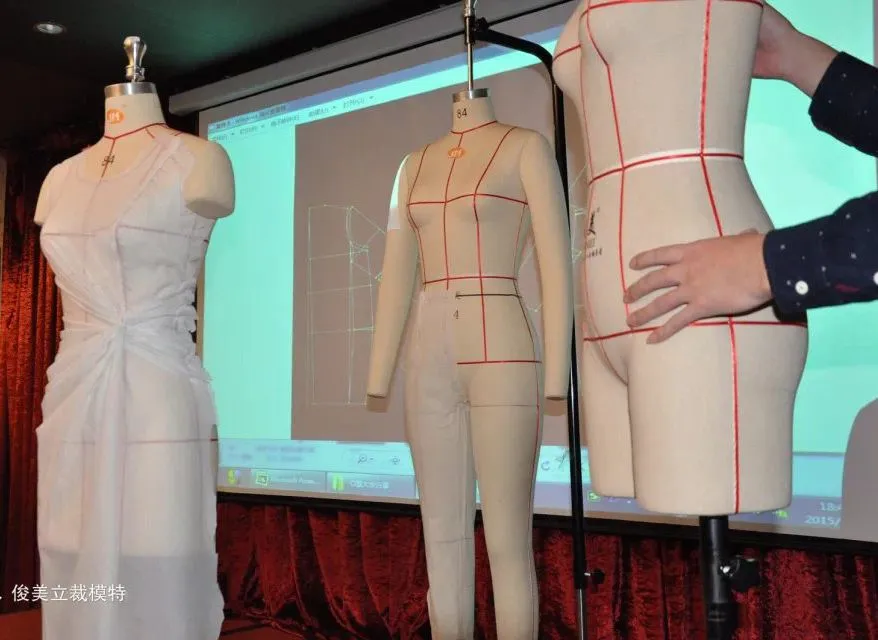
When a designer drapes fabric over a dress form and uses pins to secure smooth waistlines and three-dimensional hemlines, few people realize that this seemingly ordinary "human model" holds a thousand-year history of evolution in garment craftsmanship. The birth and development of draping (referred to as "3D cutting" in some contexts) have always been deeply tied to tools that simulate the human body. The transformation of draping models—from real humans to standardized forms, and further to digital models—epitomizes the garment industry’s shift from handcrafted couture to industrialization and intelligent manufacturing.
I. The "3D Awakening" of the Gothic Period: The Origin of Draping and the Birth of Live Models
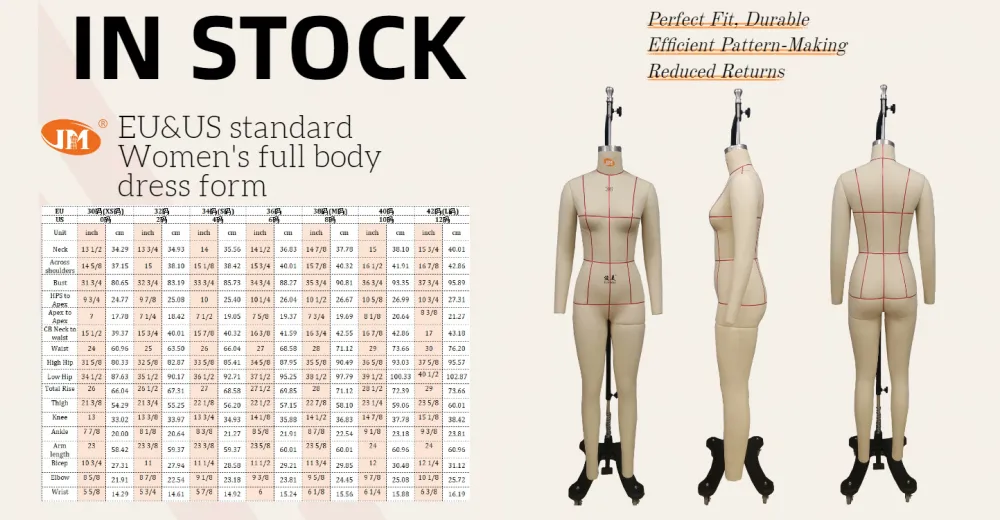
II. The Persistence of the Couture Era: From Live Models to Handmade Dress Forms
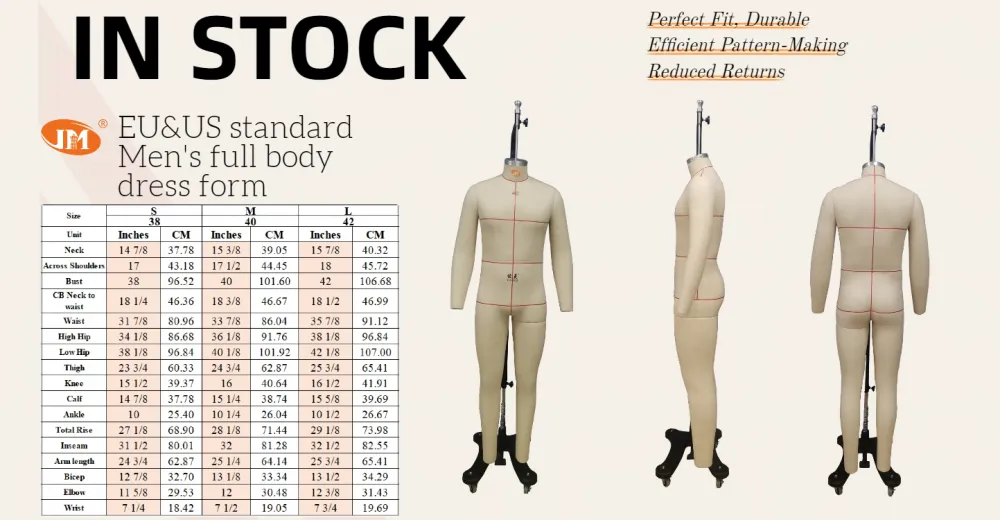

The advantages of digital draping mannequins are remarkable: after a clothing company adopted this technology, its design cycle was shortened by 30%, sample production costs were reduced by 20%, and the time from design to market launch was cut in half. Today, domestic clothing brands in China are also accelerating their digital transformation. Since 2015, several listed companies have invested heavily in developing proprietary digital draping systems. From 2018 to 2020, the number of related patent applications grew by 30%, with intelligent and digital patents accounting for over 50%.
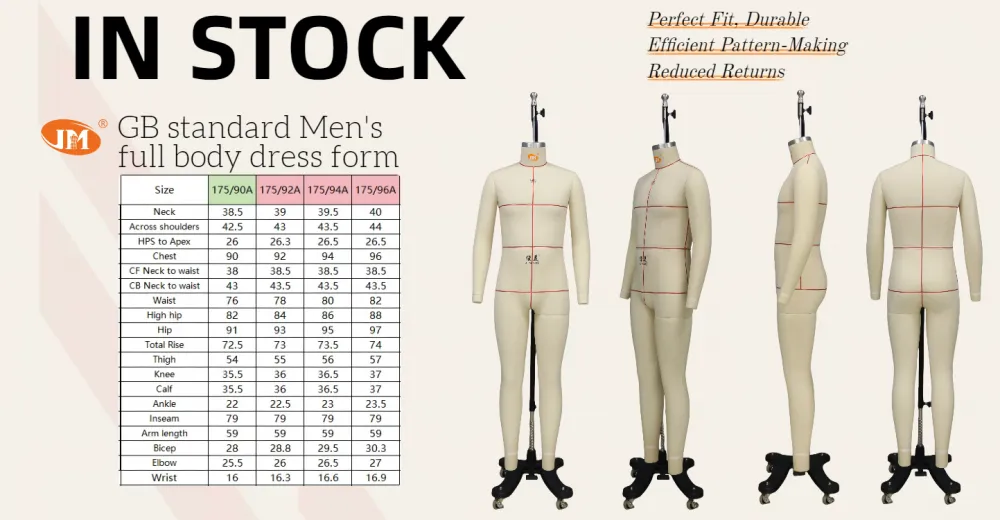
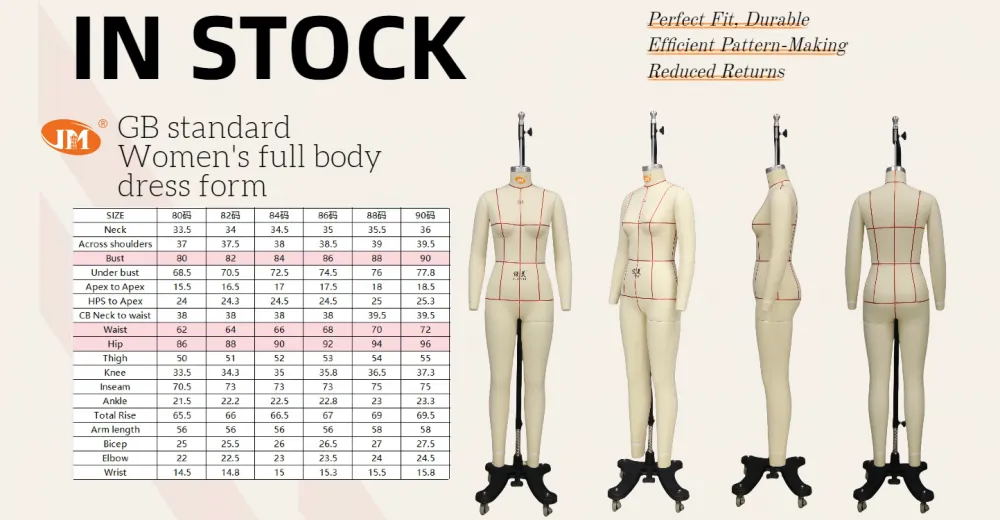
Recently Posted
-
Why Garments Fail to Look Premium? The Core Logic of Fit & Aesthetic
April 10, 2026Many apparel brands invest in high-end fabrics and build strong brand equity, yet struggle to deliver that polished, premium finis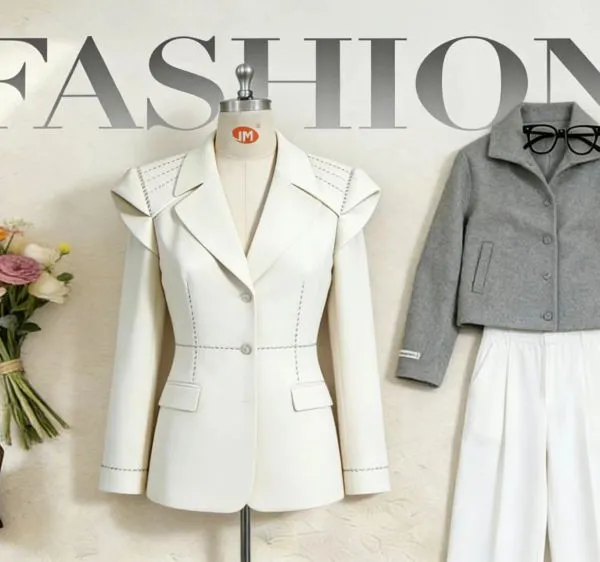 Read More
 -
5 Essential Draping Techniques for Fashion Designers | Elevate Your Creative Pattern Making
March 11, 2026For fashion designers, draping is more than a technical skill—it’s the bridge between creative vision and wearable art. Known as t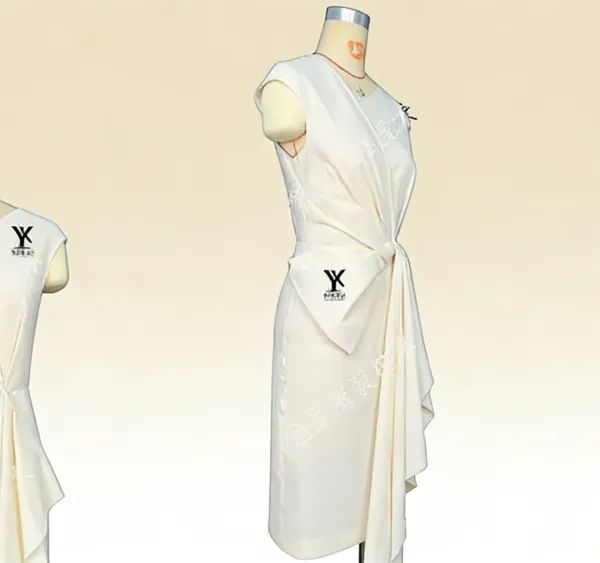 Read More
 -
Light up your business this Lantern Festival!
March 3, 2026Reunion at home, ambition in fashion. 🏮Grateful for every fashion creator's passion.Junmei Form un Read More
 -
Daily Draping Tip
December 22, 2025Key Check Before Draping:The pre-marked guide lines on industrial-grade dress forms are highly precise, but a quick validation hel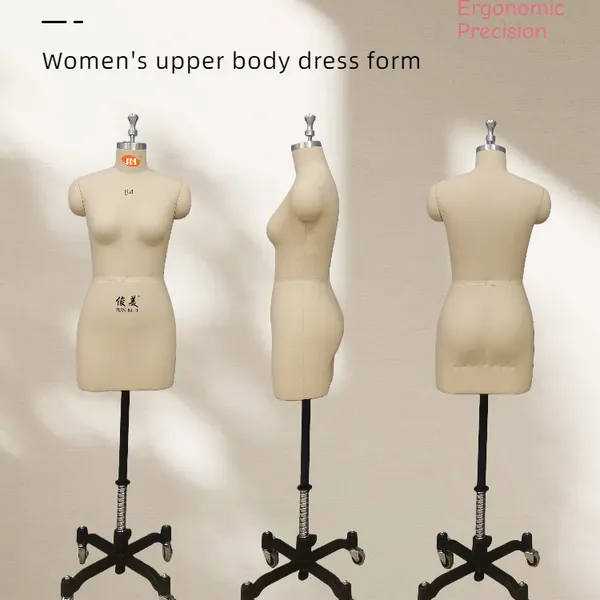 Read More

Contact Us
Recommended Products
-
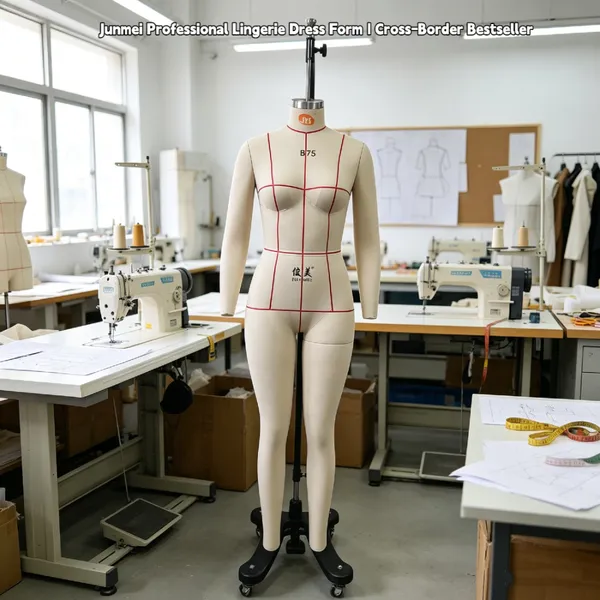
 B75 34B Lingerie Swimwear Dress Form, Adjustable Shoulder Full Body Mannequin for Pattern MakingUS$ 380 - 520MOQ: 1 Set
 -
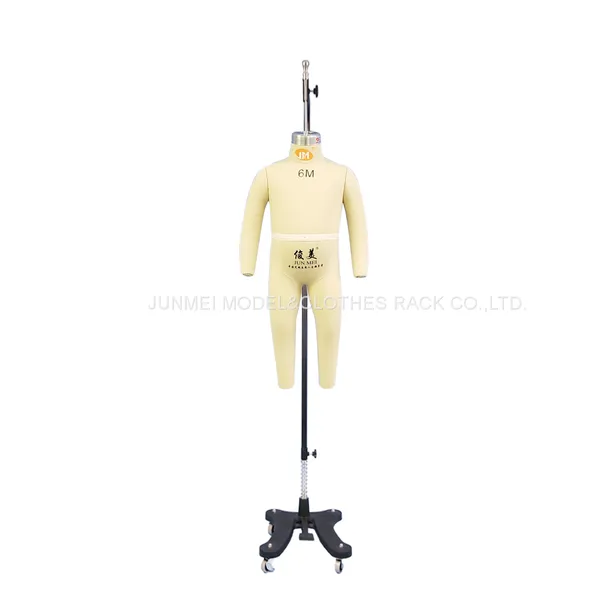
High Quality EU Infant Headless Dress Form for 6 Month Full Body Kids' Mannequin With Hanging Pole Toddlers Dress FormUS$ 280 - 370MOQ: 1 Set
-
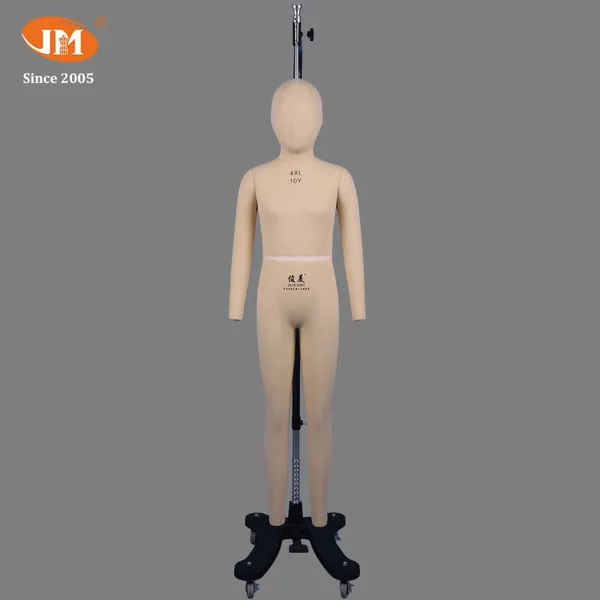
Standard EU & US 10-year-old Girl Size Dress Form Full Body Mannequin, Professional for Children’s Wear Pattern Making and Fitting.US$ 335 - 446MOQ: 1 Piece
-
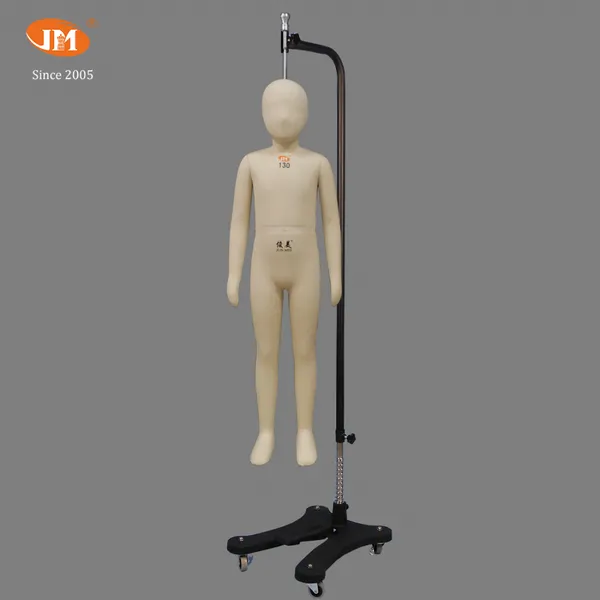
Junmei Kids Full-Body Draping Mannequin Size 130/140- Garment Factory Use, Fixed Head & Detachable Arms, Durable MaterialUS$ 384 - 512MOQ: 1 Set
-
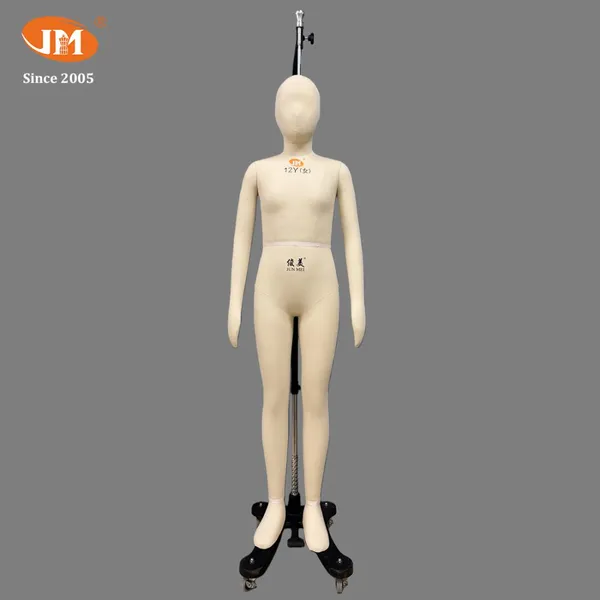
12-year-old Girl Dress Form EU/US Standard Kids Garment Mannequin Junmei Child Full-body Dress FormUS$ 399 - 534MOQ: 1 Piece
-
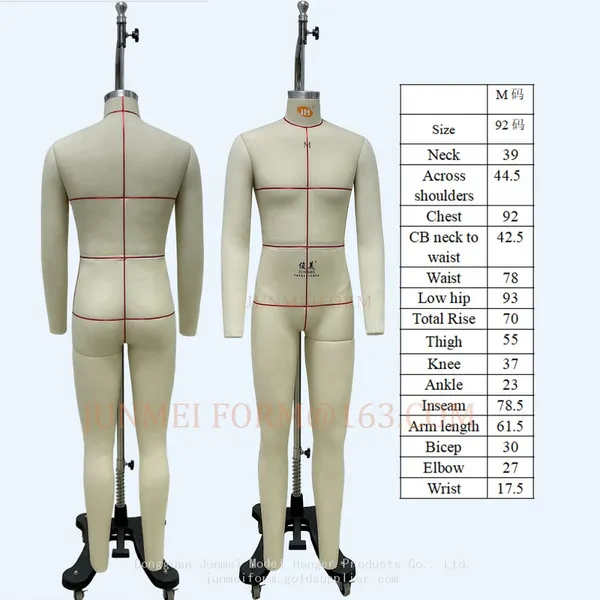
Fashion Asain Standard Male Torso Professional Dress Form Tailor Sewing Mannequin for Clothing Size 92US$ 468 - 540MOQ: 1 Set
-
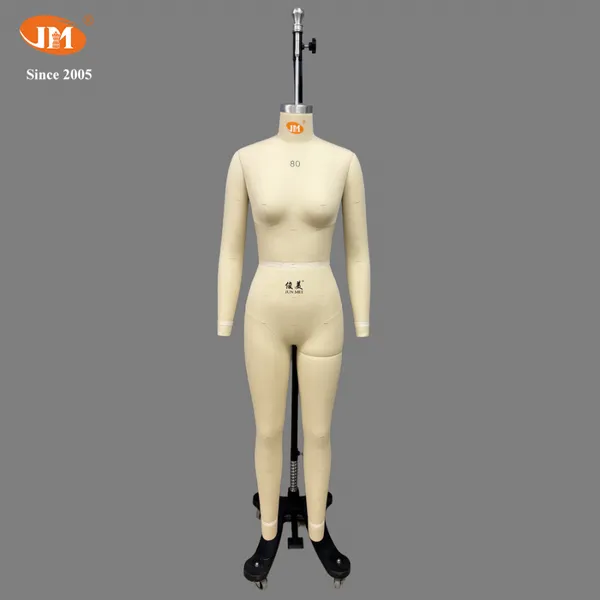
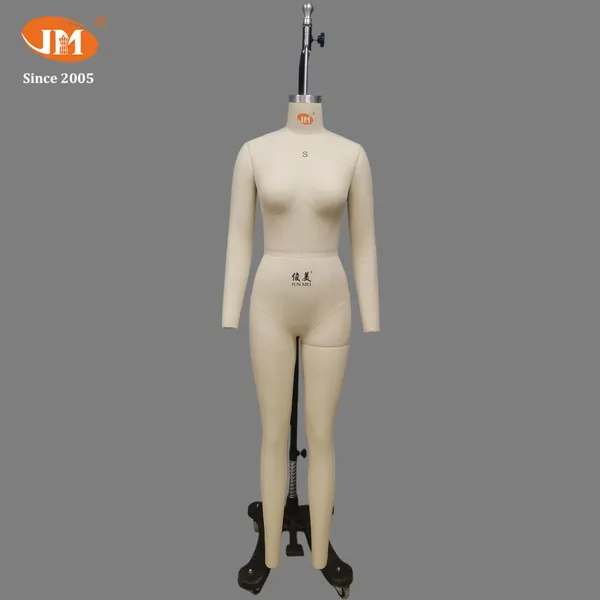
JunMei Brand CN Size 80 Female Mannequin Full Body Dress Form - Fixed Dimension, Precision Pattern Making Tool For Garment Pattern MakingUS$ 350 - 490MOQ: 1 Piece
-
Junmei Small Size Dress Form Fits the Standard European & American Size 34, Designed as a Core Tool for Garment Pattern Making and Sample ProductionNegotiableMOQ: 1 Unit
-
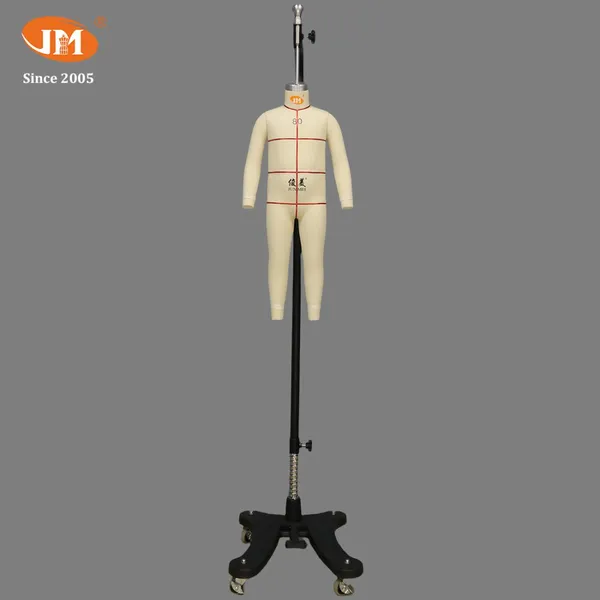
International Standard Children Full Body Mannequin Size 80 With Arms Fiberglass Made MaterialUS$ 345 - 395MOQ: 1 Set
-
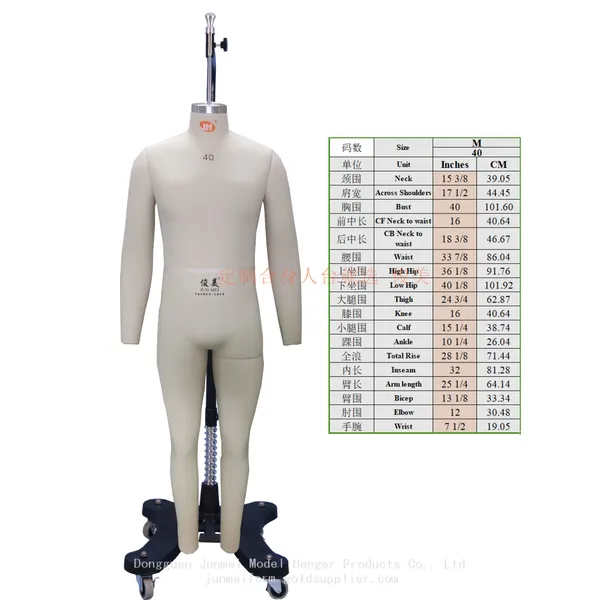
Premium Men’s Dress Form EU 40 – Adjustable Shoulder & Detachable Limbs for Precision TailoringNegotiableMOQ: 1 Piece
-
Fashion European Standard Male Adjustable Dress Form Tailoring Fabric Cloth Fitting Mannequin Medium Size 40US$ 468 - 585MOQ: 1 Set
-
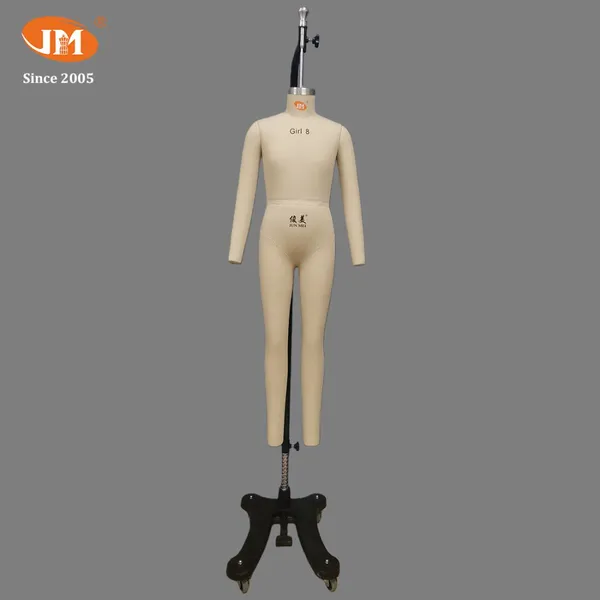
8-year-old Girl Dress Form EU/US Standard Kids Garment Mannequin Junmei Child Full-body Dress FormUS$ 276 - 370MOQ: 1 Piece
-
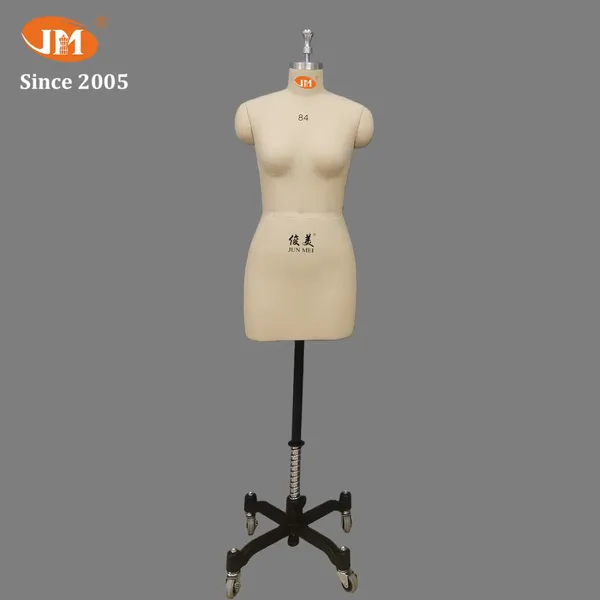
JUN MEI Women's Half-body Mannequin Size 84, One-stop Solution for Enterprises/colleges/studios, Precise Pattern and High EfficiencyNegotiableMOQ: 1 Unit
-
3-in-1 Pattern/Fitting/Shooting Mannequin: This JunMei Mannequin Simplifies Fashion Entrepreneurship. Precise Proportions Durable MaterialsUS$ 460 - 678MOQ: 1 Piece
-
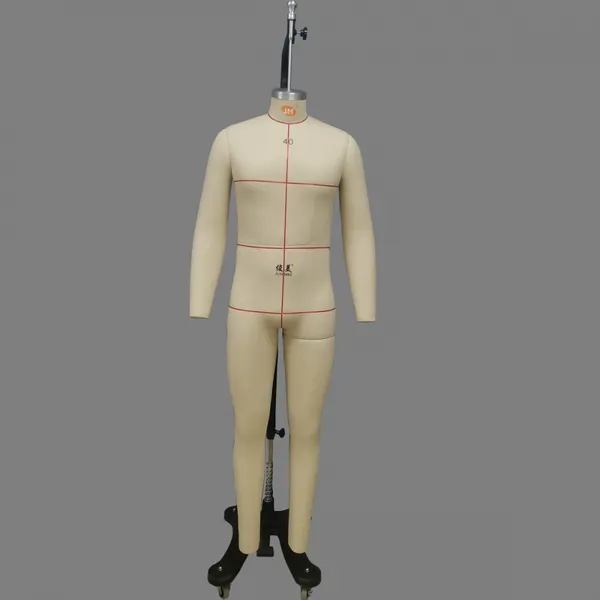
Garment Factory Special - Junmei Girls Size 130 Dress Form Headless Draping Mannequin, Red Lines, Detachable ArmsNegotiableMOQ: 1 Unit

-
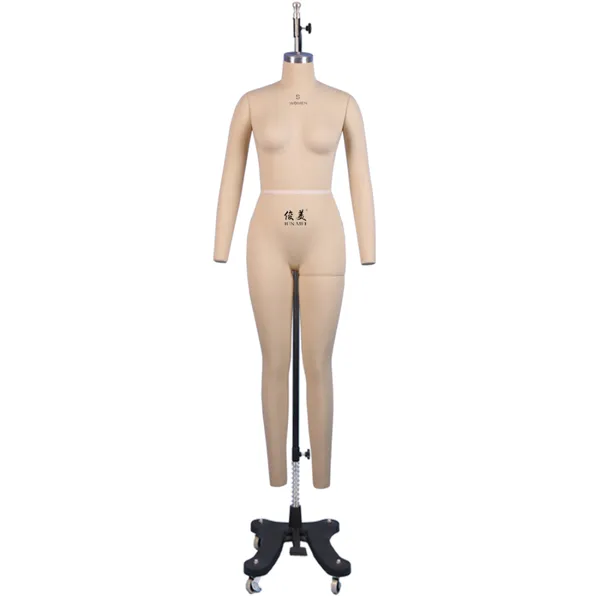
Junmei EU 38/US 8 Dress Form • Full-Body for Sewing • Fitting • Draping | Professional Tailor MannequinUS$ 450 - 678MOQ: 1 Piece
-
JUN MEI Custom Men's Half-Body Dress Form for Pattern Making, Professional Tailoring Mannequin for Accurate Men's Garment DesignNegotiableMOQ: 1 Unit
-
Junmei 1XL Women's Dress Form With Adjustable Shoulders, Detachable Arms & Rolling Stand – Plus Size Mannequin for Pattern Making, FittingUS$ 390 - 430MOQ: 2 Units
-
Europe & US Standard Size 36 US 6 Women's Full-Body Dress Form - 20-Year Brand, Factory Direct for Garment Pattern MakingUS$ 420 - 550MOQ: 1 Piece
-
Industrial-Grade Size 32 Dress Form (Europe & US) - Adjustable Shoulders, Factory Direct & Instant StockUS$ 420 - 550MOQ: 1 Piece